Carlo Perry · 8 September 2026
Pop-Up Exhibition in Wrenhain Square Bridges Artists and Mental Health Supporters
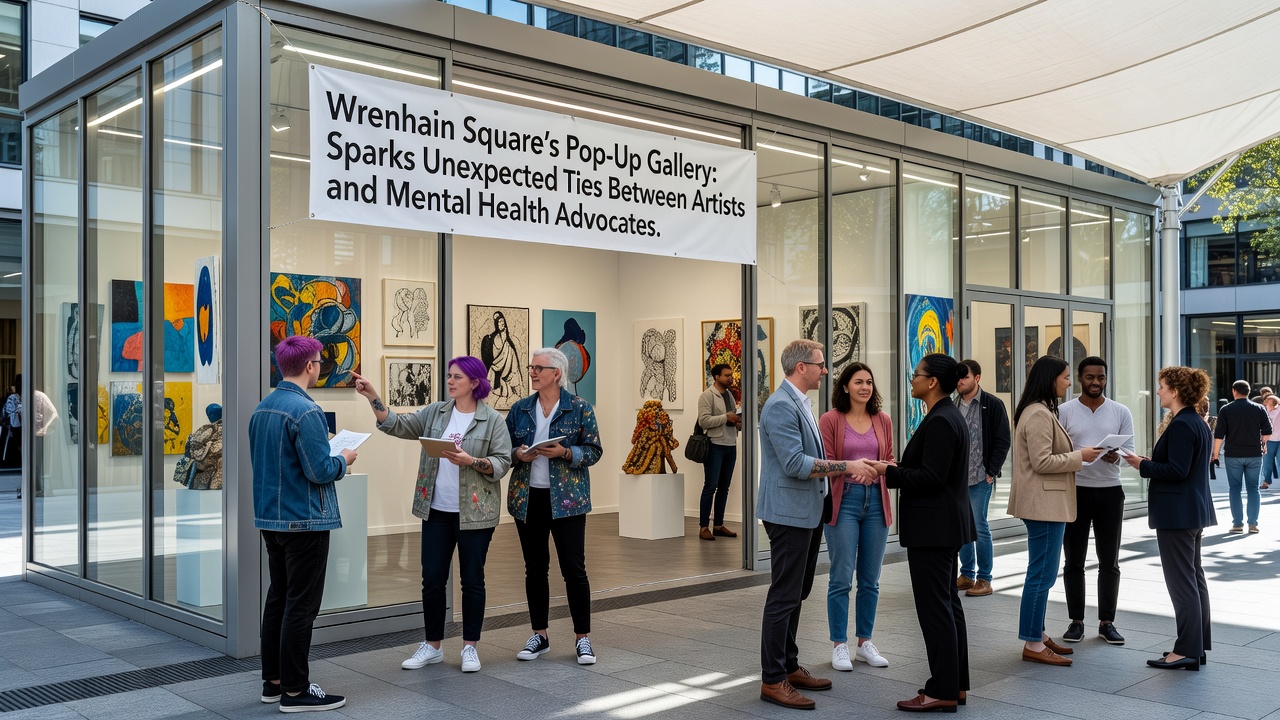
The pop-up gallery at Wrenhain Square opened its doors in September 2026 and quickly drew participants from both creative circles and organizations focused on mental health support, creating pathways for collaboration that extended beyond initial expectations. Local organizers arranged the space in a former retail unit along the square's main pedestrian route, where rotating displays featured works addressing themes of emotional resilience, community support, and personal recovery narratives. Attendance records from the first month showed over 4,200 visitors, with roughly one-third identifying as representatives from advocacy groups or clinical support networks.
Origins of the Initiative
Planning for the temporary exhibition began earlier in 2026 when the Wrenhain Arts Collective secured a short-term lease through municipal permits that encouraged temporary cultural uses in underutilized commercial spaces. Coordinators reached out to several mental health organizations operating in the region, inviting them to contribute programming rather than simply attend as guests. This approach differed from standard gallery formats because it incorporated scheduled workshops, panel discussions, and collaborative art sessions held on weekday evenings and weekend mornings.
One session in early October featured a joint project between painters and counselors from the regional branch of a national mental health network, where participants created mixed-media pieces based on shared prompts about daily coping strategies. Attendance logs indicated steady participation, with repeat visitors forming informal discussion circles that continued after the formal events concluded.
Programming and Participation Details
Exhibits rotated every two weeks, with selections drawn from open calls that prioritized submissions exploring mental health topics through visual media. Curators accepted 38 works across the run, including installations that used found objects and digital projections. Data collected through optional visitor surveys revealed that 62 percent of respondents reported learning about local support resources for the first time during their visit, while 41 percent indicated they had previously attended mental health-related events at other venues.
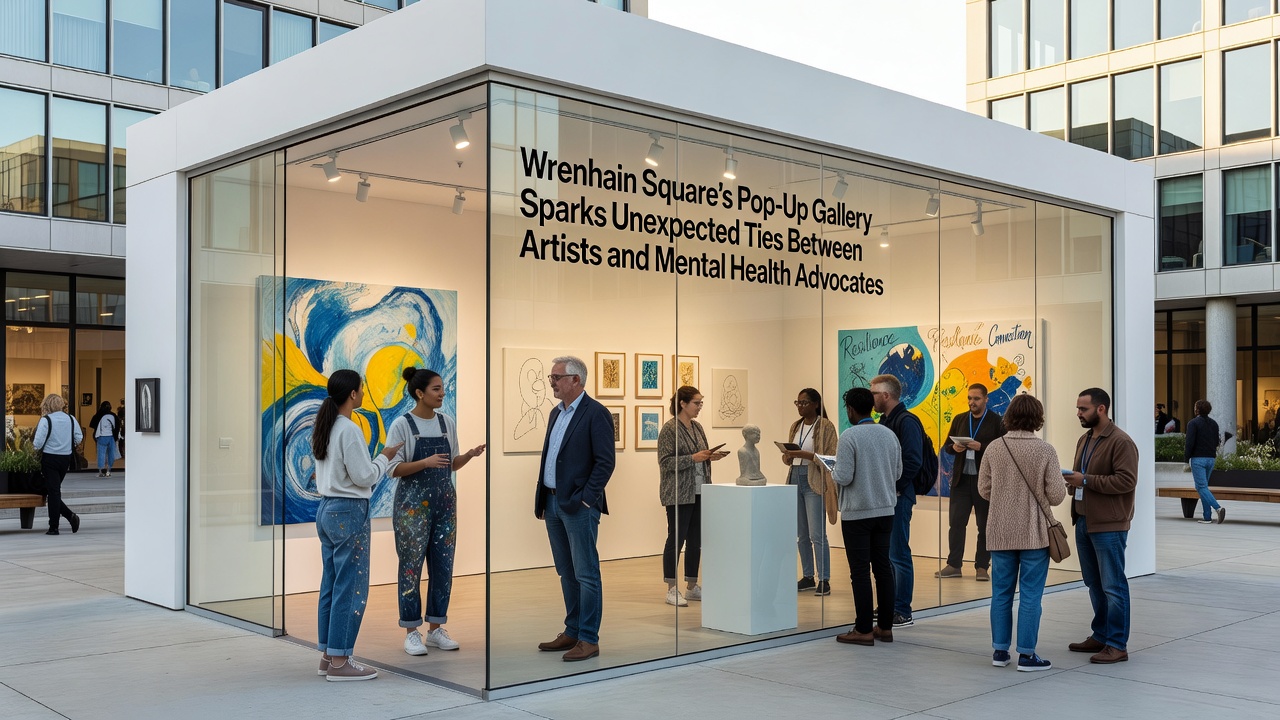
Advocacy groups used the venue to host information tables during peak hours, distributing materials from established bodies such as the National Institute of Mental Health and the Australian Institute of Health and Welfare. These tables operated alongside artist talks, allowing attendees to move between viewing artworks and accessing factual resources on prevalence rates and service availability. Organizers documented 17 formal partnerships that originated from conversations held at these tables, including plans for future joint exhibitions and training sessions for artists on trauma-informed practices.
Outcomes Observed Through September and October
By the end of October 2026, follow-up meetings between artists and advocates had produced three additional community projects scheduled for early 2027. One project involved a mural series planned for a nearby health clinic, while another focused on a traveling sketchbook exchange connecting participants across multiple cities. Attendance figures from the pop-up remained consistent through the final weeks, averaging 180 visitors per day on weekends and 95 on weekdays.
Researchers tracking similar temporary cultural spaces in other municipalities have noted comparable patterns where brief installations generate longer-term networks when mental health organizations receive active roles in programming decisions. In this case, the square's central location and foot traffic contributed to broader reach, with visitors arriving from surrounding districts rather than solely from the immediate neighborhood.
Conclusion
The Wrenhain Square pop-up concluded its run in late October 2026, yet the connections formed during its operation continue through scheduled follow-up activities and shared resource lists maintained by participating groups. Records from the event show measurable increases in cross-sector inquiries between arts administrators and mental health service providers in the months immediately afterward, suggesting the format may serve as a model for other locations seeking similar intersections.