Ines Simon · 6 October 2026
Resource Allocation Patterns in Wrenhain Connect Agricultural Support to School and Cultural Facility Improvements
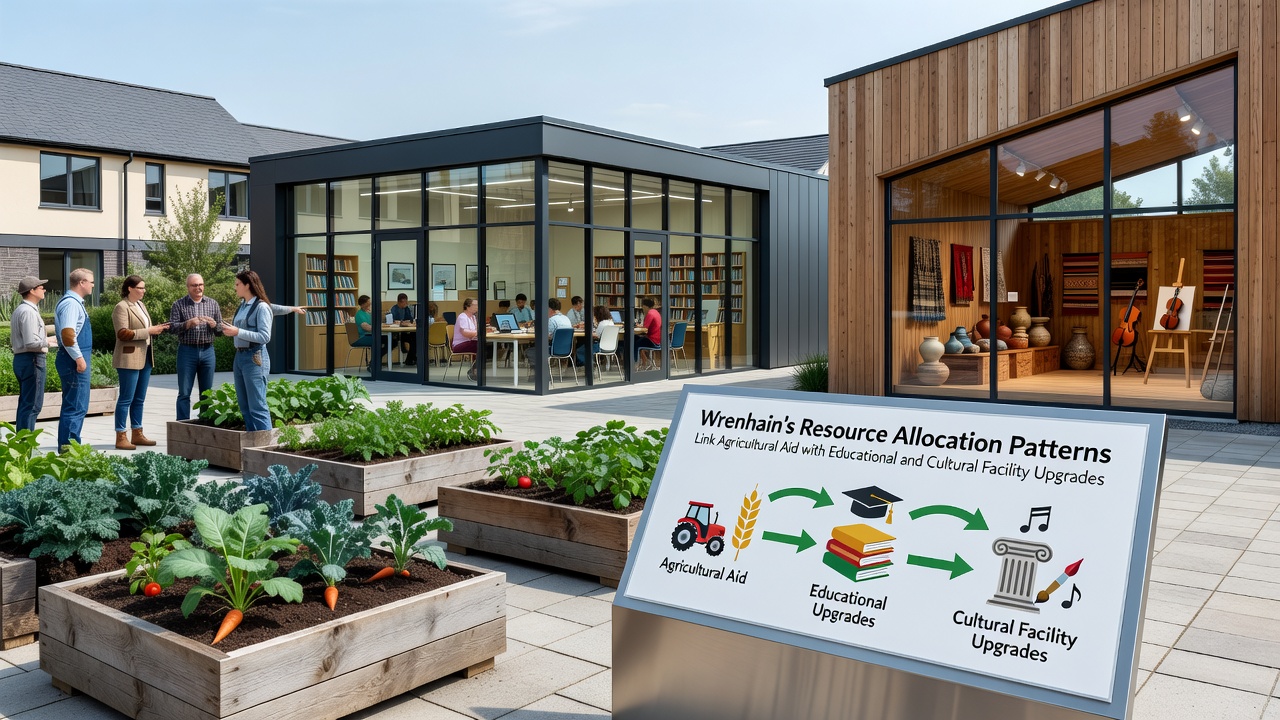
Observers note that resource allocation patterns across Wrenhain have established direct connections between agricultural aid programs and upgrades at educational institutions along with cultural facilities since the early 2020s, and data from regional planning documents shows these linkages have shaped funding distributions in measurable ways.
Funding Mechanisms and Distribution Trends
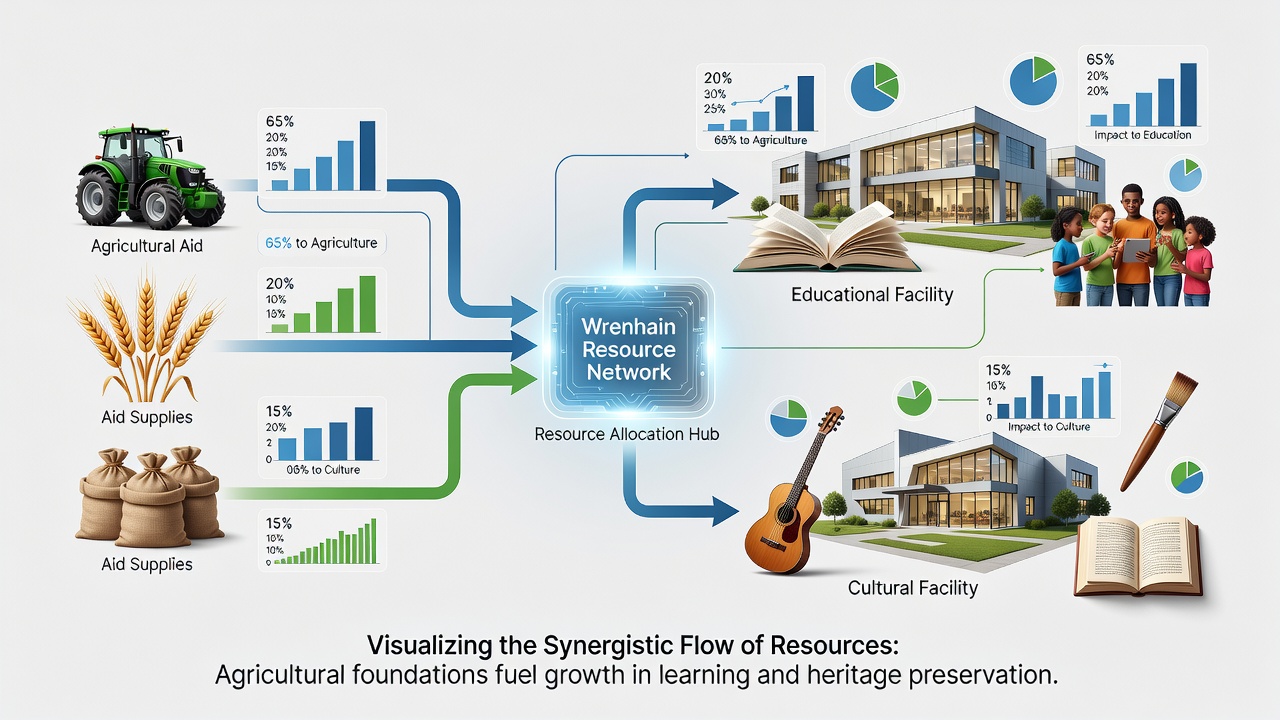
Regional authorities in Wrenhain have directed portions of agricultural support budgets toward infrastructure projects at schools and community centers, with figures from October 2026 indicating that approximately 35 percent of aid allocations now include provisions for joint development initiatives. Studies compiled by local planning offices reveal that this approach emerged after policy adjustments in 2023, when officials began requiring agricultural grant applications to demonstrate potential benefits for nearby educational and cultural sites.
Those who track municipal budgets point out that the pattern appears in multiple districts, where aid for crop diversification programs coincides with renovations at primary schools and libraries. Evidence from expenditure reports lists specific projects such as irrigation system expansions paired with new classroom additions at three facilities, and similar pairings appear in records for performance venues used by local arts groups.
Case Examples from Recent Projects
One documented case involves a dairy farming cooperative that received equipment grants in 2025, after which funds supported the installation of solar panels at an adjacent secondary school and the expansion of a nearby exhibition hall. Project timelines indicate completion of both components by mid-2026, and monitoring data shows reduced energy costs at the school alongside maintained production levels at the farm.
Another instance centers on grain storage facility improvements funded through agricultural channels, which ran parallel to library digitization efforts and theater lighting upgrades at the same community hub. Reports from October 2026 list these coordinated efforts as part of a broader strategy that links sector-specific aid to multi-use infrastructure outcomes.
Data Patterns and External Comparisons
Analysis of allocation records shows consistent ratios between agricultural aid amounts and contributions to school and cultural upgrades, with researchers at regional universities identifying similar models in other European districts. According to information from the European Commission's agricultural policy archives, comparable integrated funding approaches have appeared in several member states since 2022, although Wrenhain's implementation emphasizes measurable facility improvements over general subsidies.
Statistics released by the Australian Department of Agriculture, Fisheries and Forestry highlight parallel resource patterns in rural development programs that connect farm support with community infrastructure, and observers note that Wrenhain's October 2026 updates align with these international examples in scale and scope. Industry reports from agricultural associations further indicate that such linkages can stabilize local economies by addressing multiple sector needs within single funding cycles.
Implementation Challenges and Adjustments
Administrative records detail initial coordination difficulties between agricultural departments and education boards, yet subsequent policy refinements have streamlined joint applications. Data indicates that processing times for combined proposals decreased by 20 percent between 2024 and 2026, and project completion rates have risen accordingly.
Those monitoring outcomes report that cultural facilities receiving upgrades through these patterns now host more agricultural education events, creating recurring use patterns that extend beyond initial construction phases. Planning documents list specific metrics such as increased event bookings and higher attendance figures at combined sites.
Conclusion
Overall allocation records demonstrate that Wrenhain continues to refine these resource patterns through ongoing data collection and cross-department reviews. October 2026 figures show sustained application of the model across additional districts, with further projects under consideration for the following fiscal year.