Carlo Simmons · 3 November 2026
Wrenhain Coordinates Heritage Conservation Alongside Upgrades to Public Amenities
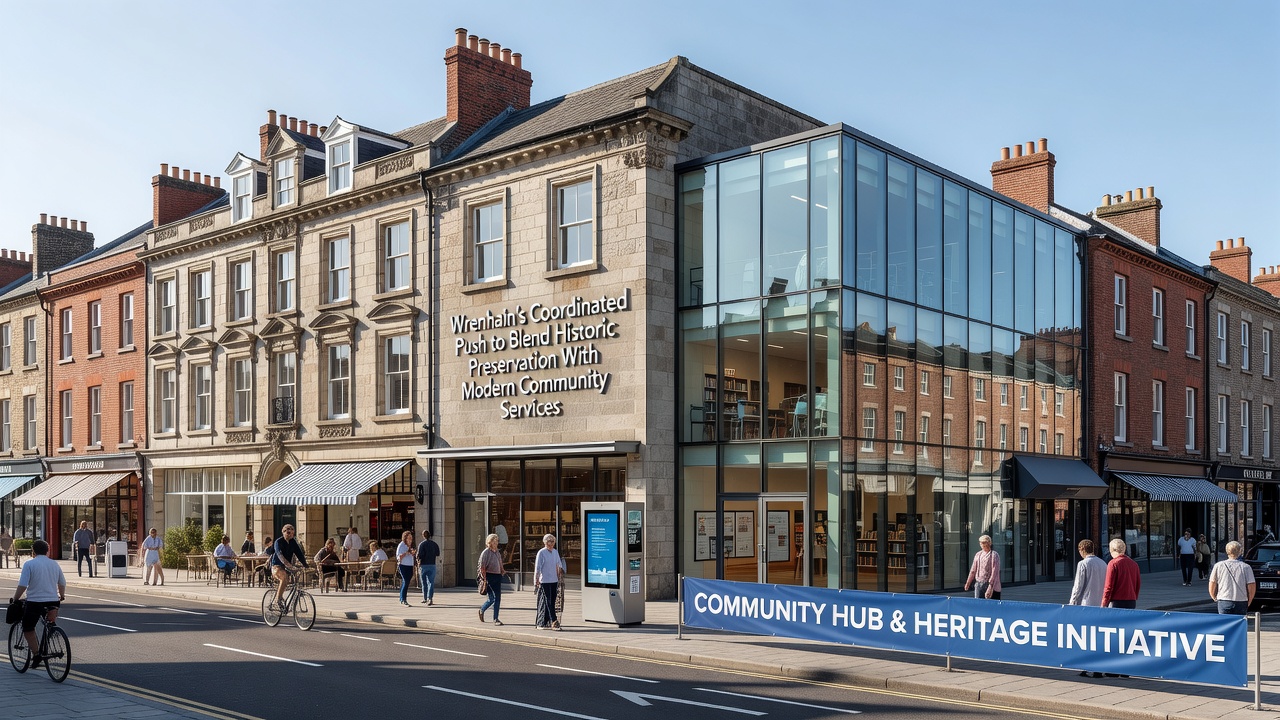
Wrenhain has launched a series of coordinated projects that pair the protection of historic structures with the delivery of updated community services, and these efforts have drawn on funding streams established in prior regional plans while aligning with broader European heritage standards.
Local authorities began mapping key sites in 2024, and they identified buildings from the 19th and early 20th centuries that could house modern functions without altering their external facades or core architectural features. Data from municipal records shows that at least 12 structures received initial assessments by mid-2025, with priorities placed on those near existing transportation routes and residential clusters.
Project Framework and Early Actions
Planners divided the initiative into phases that link preservation requirements directly to service expansions, so that renovations for community centers, libraries, and health outreach points occur alongside structural reinforcements required for heritage compliance. Figures released by the Wrenhain planning department indicate that grants covering 60 percent of restoration costs came through national cultural programs, while the remaining portions drew from local development levies and private sponsorships.
One early example involved the former textile mill on the eastern edge of the old quarter, which now operates as a multi-purpose facility offering youth programs and adult education classes. Workers retained original brickwork and timber beams, yet they installed climate control systems and accessible entrances that meet current accessibility codes. Similar adaptations appear at the town hall annex and the disused railway station, both of which now support administrative services adn public meeting spaces.
November 2026 Milestones
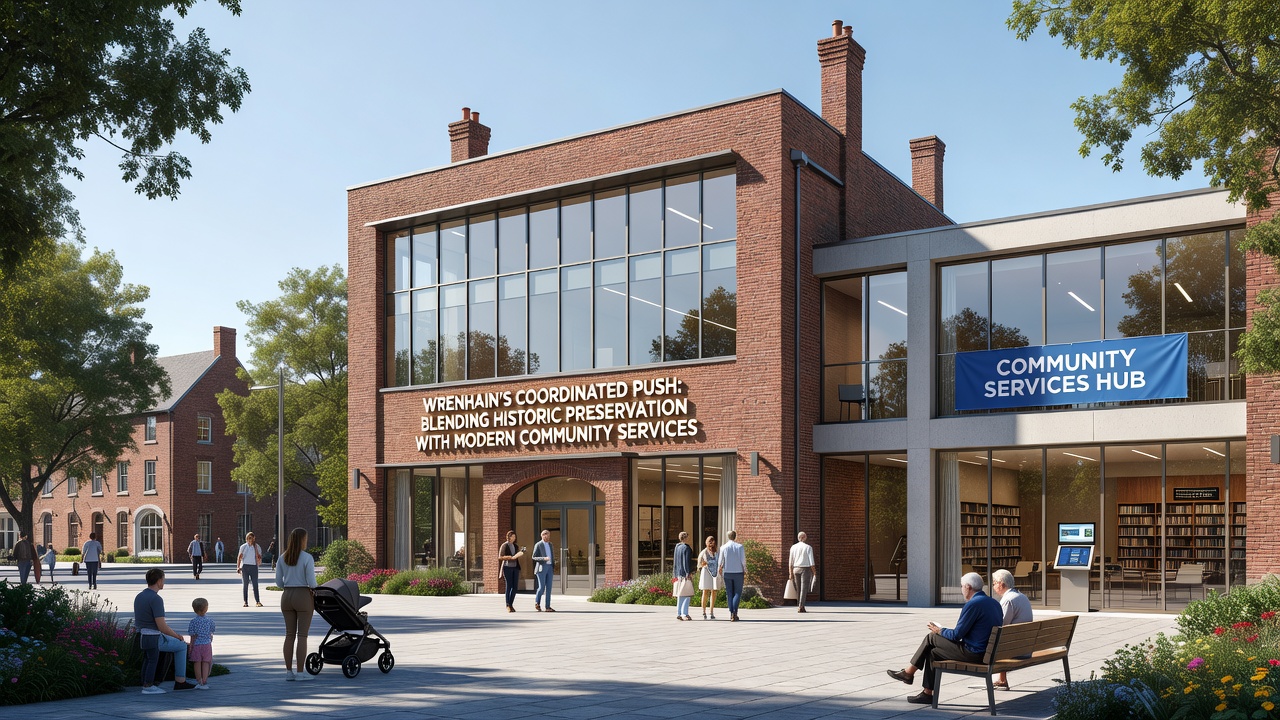
November 2026 marks the scheduled completion of the second phase, and that timeline includes the opening of a combined archive and digital resource hub within a preserved warehouse complex. Officials report that construction crews have maintained original window frames and rooflines while adding fiber-optic infrastructure and energy-efficient lighting throughout the interior. Attendance projections from the cultural department forecast several hundred weekly visitors once the facility opens to the public.
Funding allocations for this phase also support training sessions for local tradespeople, so that skills in traditional masonry and joinery remain available for future maintenance work. Records from the regional vocational board list 45 participants enrolled in these courses as of October 2026, with certifications issued through partnerships with technical institutes in neighboring districts.
Integration With Broader Planning Goals
These preservation-linked service projects connect to wider municipal objectives that include agricultural support networks and school facility improvements, and observers note that shared budgeting has reduced duplication across departments. A 2025 interdepartmental report compiled by Wrenhain staff shows that joint procurement of materials for both heritage repairs and new educational extensions lowered overall expenditures by approximately 12 percent compared with separate tenders.
External reviews have referenced guidelines from the U.S. National Park Service on adaptive reuse, and they have compared Wrenhain's approach with methods used in Canadian heritage districts. Data compiled by the Canadian Register of Historic Places indicates that similar mixed-use conversions in smaller municipalities have sustained foot traffic increases of 20 to 30 percent within two years of completion.
Monitoring and Adjustments
Progress tracking relies on quarterly audits that measure both heritage integrity and service utilization rates, and these audits incorporate input from residents through public comment periods held at the end of each phase. Results posted on the municipal website for the first quarter of 2026 list utilization rates above 75 percent at the two completed sites, with particular demand recorded for after-school programs and senior wellness sessions.
Adjustments made mid-project include revised traffic flow plans around the mill site, because initial designs did not fully account for increased pedestrian movement during peak service hours. Revised drawings now incorporate wider sidewalks and additional bike racks while preserving the original street-facing elevations.
Conclusion
Wrenhain's ongoing work demonstrates measurable links between heritage retention and expanded public services, and continued documentation through 2027 will provide further data on long-term operational costs and community engagement levels. The coordinated model relies on sequential planning that keeps preservation standards central while meeting contemporary service demands, and records from the current phases supply a reference point for other municipalities facing comparable constraints.